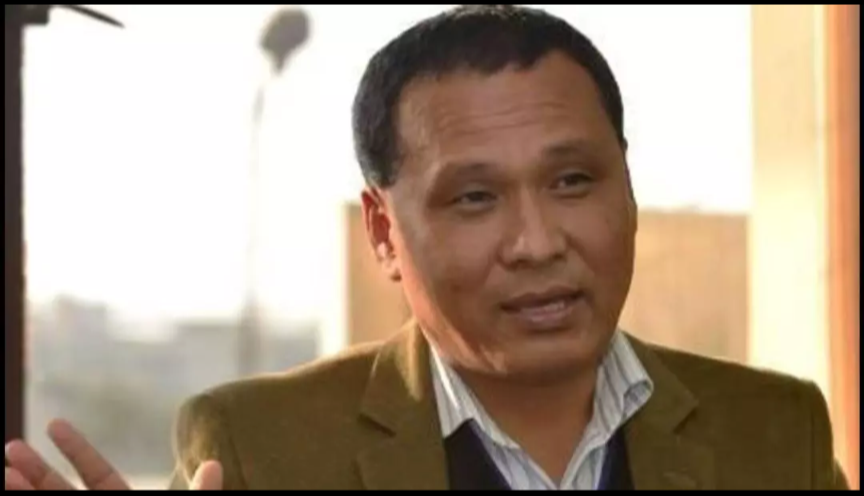
Kulman Ghising is set to lead Nepal’s interim government following KP Sharma Oli’s resignation amid Gen Z-led protests. Sushila Karki steps aside due to constitutional concerns.
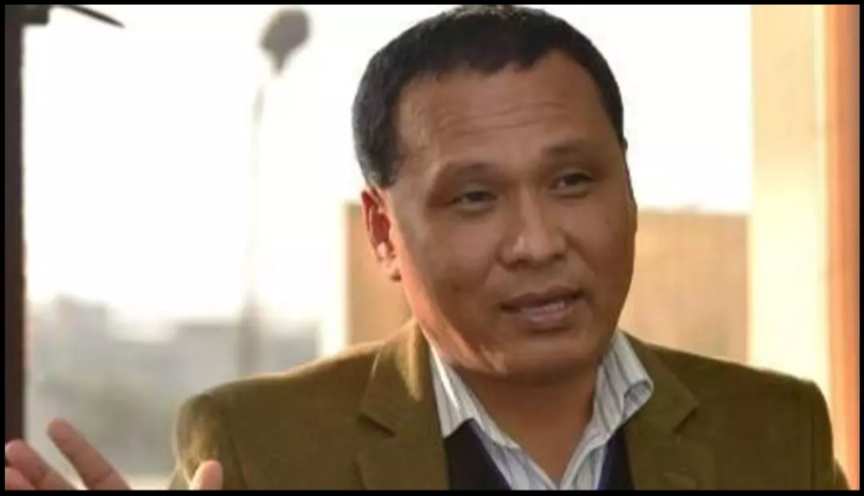
Nepal is witnessing one of the most defining political transitions in recent years. Following weeks of massive Gen Z-led protests across Kathmandu, Pokhara, and Biratnagar, the government has officially announced Kulman Ghising, the popular executive director of the Nepal Electricity Authority (NEA), as the head of the interim government.
This comes after former Chief Justice Sushila Karki — who briefly held the interim post amid growing unrest — announced her decision to step aside, citing “the people’s voice as the ultimate mandate.”
The shift marks not just a change in leadership, but the rise of a new political consciousness driven by Nepal’s youth — one demanding transparency, accountability, and reform.
Who Is Kulman Ghising?
Kulman Ghising, often called “Nepal’s Power Hero”, is best known for ending the country’s decade-long electricity load-shedding crisis.
- Profession: Electrical Engineer, former Managing Director of NEA
- Achievements:
- Brought 24-hour power supply to major cities
- Modernized Nepal’s energy infrastructure
- Became a national symbol of efficiency and integrity
Ghising’s reputation as a non-political reformer with proven administrative skills made him a natural choice to lead Nepal through a politically volatile period.
According to The Kathmandu Post, his appointment is “a victory for technocracy over traditional party politics.”
Why Did Sushila Karki Step Aside?
Former Chief Justice Sushila Karki, Nepal’s first woman Chief Justice, had taken charge as interim leader just weeks earlier, aiming to stabilize the country following the resignation of Prime Minister Pushpa Kamal Dahal (Prachanda).
However, with nationwide youth protests intensifying — calling for “new faces, not old politics” — Karki made the surprise decision to voluntarily step down.
In her official statement, she said:
“Nepal’s young generation has spoken. I have faith that the new leadership will guide this country toward progress and integrity.”
Her graceful exit is being praised as a rare example of political humility, drawing appreciation even from critics and rival parties.
The Role of Gen Z in Nepal’s Political Uprising
The driving force behind this leadership change is Nepal’s Gen Z movement, which has exploded across social media and the streets alike.
- Hashtags like #NewNepal, #KulmanForPM, and #NoCorruption have dominated X (formerly Twitter) and TikTok.
- Young citizens organized peaceful rallies demanding a technocratic interim government focused on governance, not party loyalty.
- Protesters highlighted issues like unemployment, inflation, and lack of digital reforms.
As per BBC News, over 65% of Nepal’s population is under 35, making this the most youth-driven political awakening in the nation’s history.
What Will Kulman Ghising’s Interim Government Focus On?
Sources within Nepal’s Cabinet Secretariat confirm that Ghising’s interim administration will prioritize:
- Economic Stabilization – Controlling inflation and supporting small businesses.
- Energy Independence – Expanding hydropower exports to India and Bangladesh.
- Digital Governance – Introducing e-governance tools for citizen services.
- Education & Employment – Launching youth-oriented skill programs.
- Anti-Corruption Reforms – Establishing transparent audit mechanisms.
In his first address to the media, Ghising said:
“This is not my victory. It’s the victory of every Nepali who wants an honest government.”
International Response
The international community has largely welcomed the transition.
- India’s Ministry of External Affairs expressed hope that Ghising’s leadership will “strengthen bilateral cooperation, especially in energy trade.”
- China’s Foreign Ministry stated it “respects Nepal’s democratic transition.”
- The United Nations Mission in Nepal (UNMIN) applauded the peaceful nature of the power shift, calling it “a model for South Asian democracies.”
Meanwhile, the U.S. State Department highlighted the importance of ensuring free and fair elections after the interim period ends.
Sushila Karki’s Legacy and Impact
Despite stepping aside, Sushila Karki’s contribution cannot be understated.
- She became Nepal’s first woman Chief Justice in 2016.
- Known for her fierce independence and legal reforms.
- Her short-lived interim leadership restored faith in non-partisan decision-making.
Political analysts from Reuters believe her move will “pave the way for more women leaders in Nepal’s political and judicial landscape.”
Public Sentiment
Across Kathmandu, people welcomed the news with cautious optimism.
“Kulman Sir has proven himself before — we believe he can do it again,” said a college student protester at Basantapur Durbar Square.
Social media remains abuzz with digital art, memes, and slogans praising Ghising. Some even compared him to “Nepal’s A.P.J. Abdul Kalam,” a nod to his humble leadership style.
Comparison with Other Regional Transitions
Nepal’s peaceful leadership shift mirrors a broader South Asian pattern where public movements are increasingly influencing political change.
Similar youth-led movements have recently shaped reforms in:
- Sri Lanka (economic protests, 2022)
- Bangladesh (student activism on education reform)
- India (digital job revolution through AI tools)
👉 Related Read: Ananya Panday to Star Opposite Hrithik Roshan in Action Drama
👉 Related Entertainment Update: Varun Dhawan Confirms Sequel of His Hit Comedy Film
These articles may seem from a different niche, but they reflect a shared trend of generational shifts — in politics, entertainment, and public voice.
Challenges Ahead for Ghising
While the mood is optimistic, Ghising’s path won’t be easy.
- Political Resistance: Established parties may resist technocratic decisions.
- Economic Pressure: Nepal’s foreign reserves remain fragile.
- Public Expectation: The youth expect quick reforms, not promises.
Experts warn that without clear timelines and transparency, even popular leaders risk losing credibility.
Symbol of Hope for South Asia
Kulman Ghising’s rise is being watched across South Asia as an example of how merit and public trust can override political elitism.
If his interim government delivers — particularly on corruption and youth employment — it could reshape governance standards across the region.
As one editorial in The Himalayan Times put it:
“Ghising’s government could be the bridge between the past and the Nepal we dream of.”
Conclusion
Nepal stands at the crossroads of change. Sushila Karki’s dignified resignation and Kulman Ghising’s appointment mark a turning point for Nepalese democracy — one where people, not politicians, drive the direction of governance.
The Gen Z movement has proven that the power of protest, when peaceful and united, can reshape an entire nation.
As Nepal embarks on this new chapter, the world watches closely — inspired by a simple truth: leadership can emerge from integrity, not just ideology.