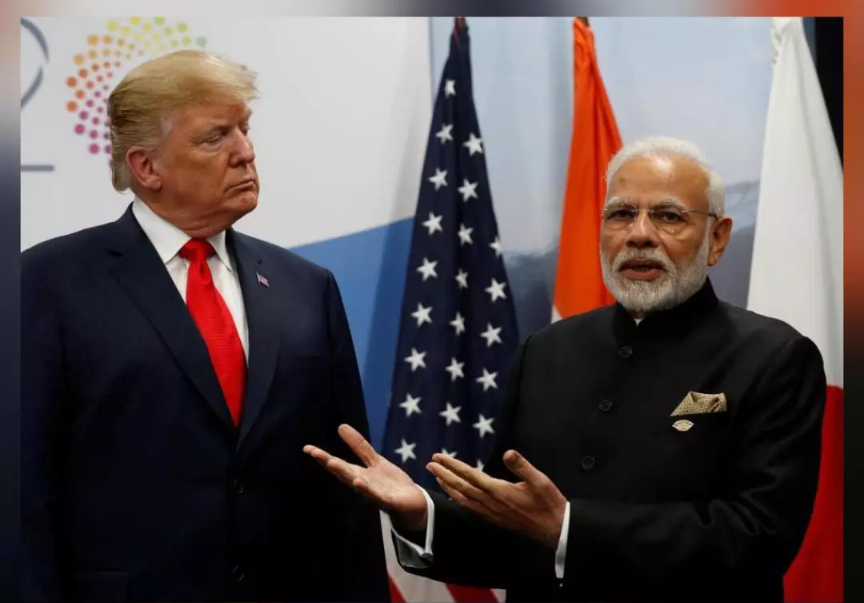
Former U.S. National Security Advisor H.R. McMaster claims Trump aide Peter Navarro attempted to instigate tensions between President Trump and Indian Prime Minister Narendra Modi.
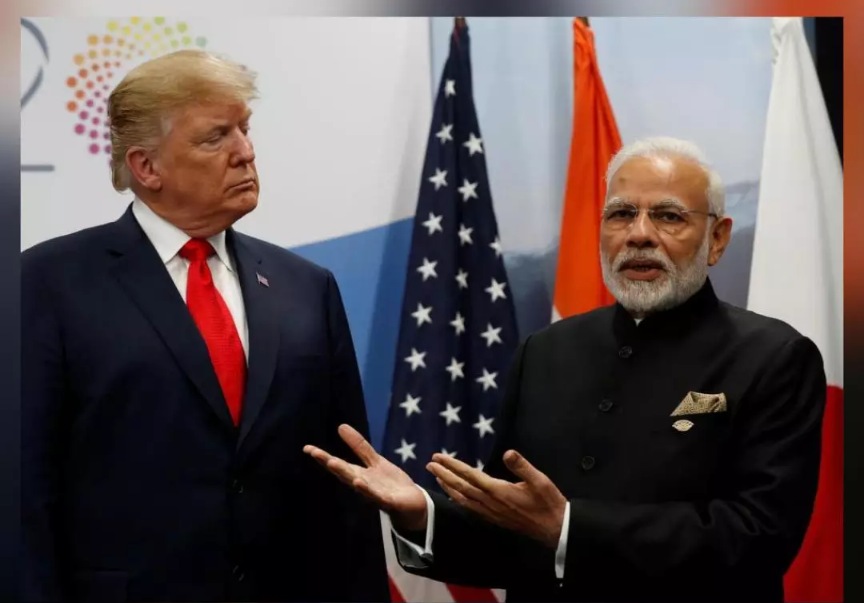
Ex-NSA H.R. McMaster Accuses Trump Aide Peter Navarro of Provoking Conflict with PM Modi
Washington D.C., October 2025 — In a shocking revelation, former U.S. National Security Advisor H.R. McMaster has accused ex-Trump trade adviser Peter Navarro of intentionally provoking a diplomatic dispute with Indian Prime Minister Narendra Modi during the Trump administration.
According to McMaster, Navarro’s “reckless and confrontational trade tactics” nearly derailed one of the most significant U.S.-India relationships in modern times. His comments came during a recent interview with The Atlantic, where McMaster discussed internal divisions within the Trump White House over global trade and foreign policy.
The Root of the Dispute
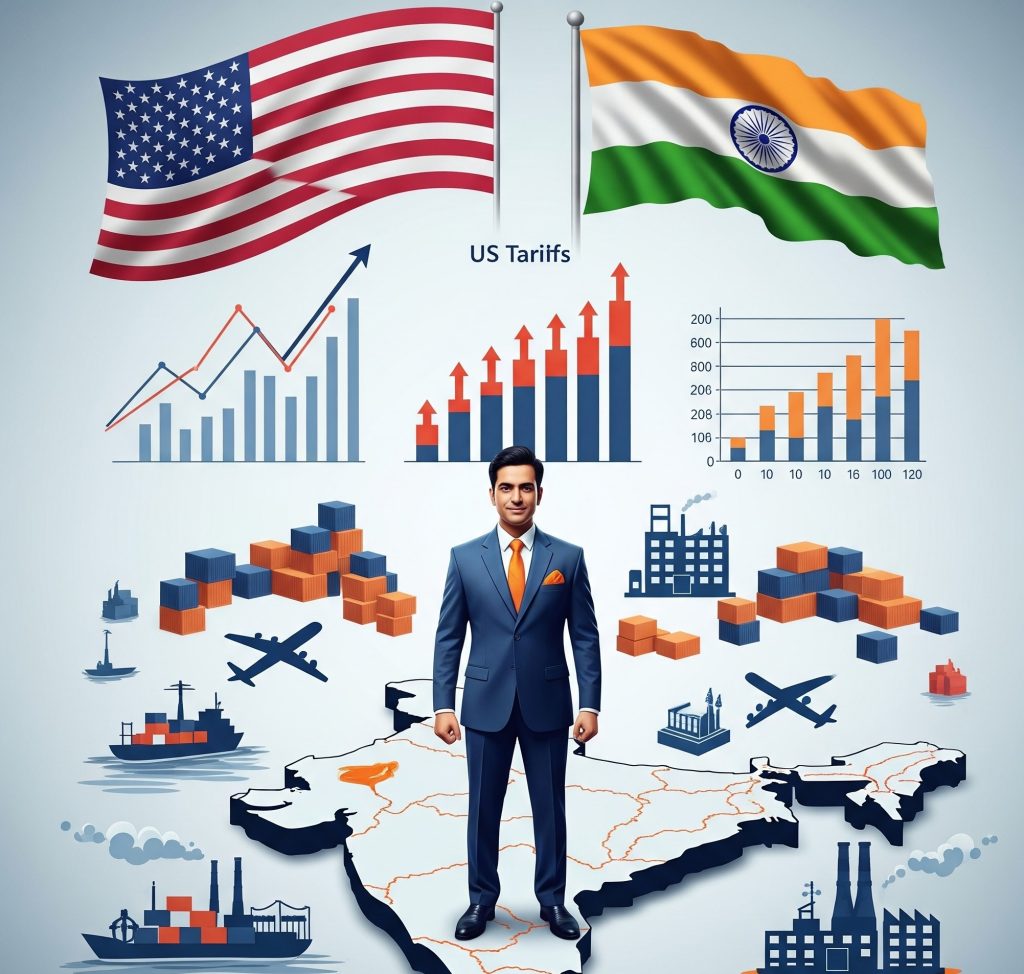
McMaster alleged that Navarro’s aggressive approach toward trade negotiations — particularly regarding tariffs and manufacturing — led to unnecessary friction between Washington and New Delhi.
“Peter Navarro saw every economic disagreement as a battlefield,” McMaster said. “Instead of building alliances, he wanted confrontation, and India was caught in the middle of that mindset.”
Sources claim that during a 2018 internal policy discussion, Navarro proposed punitive trade measures against India for what he called “unfair market barriers.” McMaster and other officials reportedly opposed the idea, emphasizing the strategic importance of India as a partner in countering China’s influence in the Indo-Pacific.
India’s Reaction at the Time
While New Delhi maintained diplomatic restraint, insiders suggest that Indian officials privately expressed concern over the U.S. administration’s unpredictable trade policies. The tensions coincided with ongoing discussions about defense cooperation and energy partnerships, both of which were critical to strengthening U.S.-India ties.
Indian media at the time described Washington’s stance as “confusing,” given that the Trump administration publicly praised Modi while simultaneously implementing tariffs that targeted Indian exports like steel, aluminum, and pharmaceuticals.
Despite the tension, both countries eventually de-escalated through backchannel diplomacy led by then-U.S. Secretary of State Mike Pompeo and India’s Foreign Minister S. Jaishankar.
McMaster’s Broader Criticism
McMaster’s latest remarks form part of a broader critique of the Trump administration’s handling of foreign policy. The retired lieutenant general has frequently described the White House during that period as “chaotic” and “driven by short-term politics over long-term strategy.”
He argued that Navarro’s confrontational policies not only strained relations with India but also weakened the U.S. position in Asia by alienating potential allies.
“While we were supposed to be forming a unified front against China’s aggression, Navarro’s actions created unnecessary rifts with partners who shared our concerns,” McMaster added.
Peter Navarro’s Response
Peter Navarro, who is currently serving a sentence related to contempt of Congress charges, has not directly responded to McMaster’s claims. However, in previous interviews, he has defended his trade policies as “America First” measures designed to protect U.S. manufacturing and workers.
Navarro has consistently maintained that his decisions were backed by economic data showing unfair advantages enjoyed by foreign competitors, including India and China.
In 2020, he famously stated, “India’s success shouldn’t come at the expense of American jobs,” a remark that drew criticism from both Indian diplomats and trade experts who accused him of oversimplifying complex trade dynamics.
The Importance of U.S.-India Relations
The U.S.-India partnership has grown substantially over the past two decades, evolving into a key pillar of global diplomacy. Defense collaborations, energy agreements, and technology sharing have positioned India as one of America’s most important allies in Asia.
Experts believe that tensions caused by individuals like Navarro could have jeopardized years of diplomatic progress.
“U.S.-India relations are not just about trade; they’re about mutual respect and shared democratic values,” said Dr. Rajesh Mehta, a foreign policy analyst based in New Delhi. “Any attempt to destabilize that relationship harms both nations in the long run.”
Echoes of Trump’s Trade Wars
McMaster’s revelations also revive discussions about Trump’s global trade policies, which targeted allies and rivals alike. From tariffs on European steel to restrictions on Chinese imports, the administration’s actions often blurred the lines between strategy and politics.
Many believe Navarro’s worldview treated global trade as a zero-sum game, leading to economic tension even among traditional U.S. allies.
This mirrors recent developments where trade disputes continue to shape global alliances — such as the ongoing standoff between China and Mexico over car import tariffs.
(Internal link: China Warns Mexico Over 50% Tariffs on Asian-Made Cars: Trade Tensions Escalate)
Diplomatic Experts Weigh In
Global experts have responded strongly to McMaster’s statements, viewing them as a warning about the dangers of internal discord in foreign policymaking.
“Navarro’s aggressive style worked for domestic optics but not diplomacy,” said Lisa Curtis, former National Security Council official specializing in South Asia. “McMaster’s comments confirm what many in the diplomatic community already suspected — that key relationships were undermined from within.”
Several Indian analysts agree, arguing that the incident shows how fragile international relations can become when short-term populism overshadows long-term strategy.
India’s Strategic Patience
India’s measured response during those years is now being praised by experts as a sign of mature diplomacy. Instead of escalating tensions, New Delhi focused on strengthening ties with Congress and Pentagon officials who understood the value of collaboration.
This strategy allowed India to navigate the Trump era without major fallout, paving the way for smoother relations under the Biden administration.
In 2023, President Biden reaffirmed the U.S.-India strategic partnership, describing it as “essential for maintaining balance and peace in the Indo-Pacific.”
Conclusion
H.R. McMaster’s claims about Peter Navarro reignite debates about the Trump administration’s foreign policy approach and its impact on allies like India.
While the accusations may not lead to new investigations, they highlight the internal conflicts that shaped U.S. diplomacy during that era — and serve as a reminder of how personal agendas can strain international relationships.
Today, as global powers realign amid shifting trade dynamics, maintaining mutual respect and strategic cooperation remains vital for both Washington and New Delhi.