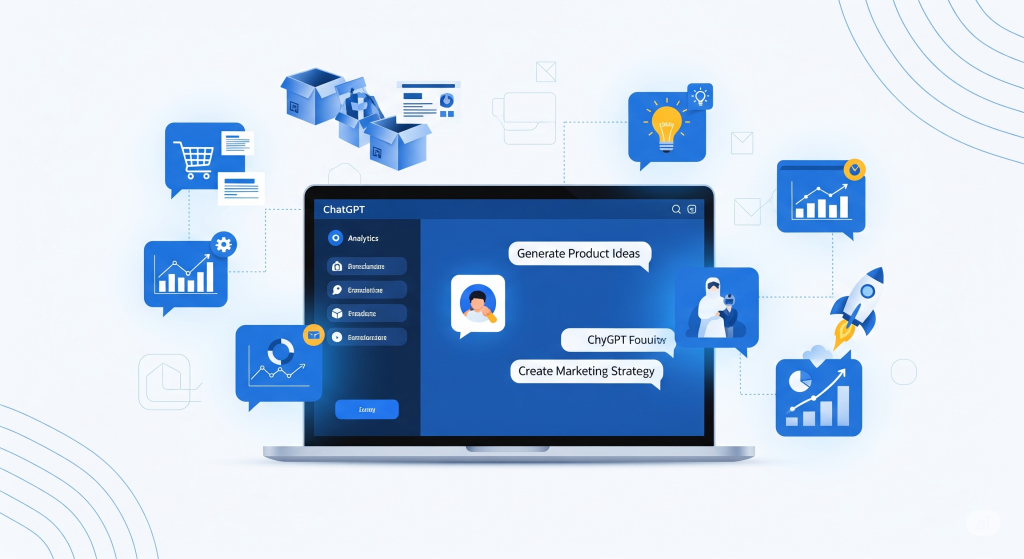
Learn how to automate affiliate marketing with AI tools and skyrocket your income in 2025. Simple strategies for passive earnings explained.

Boost Earnings: How to Automate Affiliate Marketing with AI Tools in 2025
A practical, step-by-step guide to automating affiliate funnels, content production, link management, testing, and scale using AI — with templates, prompts, SOPs, and a 90-day roadmap.
Quick summary: Use AI to create content, generate banners and thumbnails, automate outreach, personalize funnels and analyze conversions — so you can focus on growth while systems handle repetitive work.
Introduction
Affiliate marketing in 2025 looks different: AI dramatically increases content velocity, personalization, and testing speed. Rather than writing dozens of posts manually, you can orchestrate pipelines that produce SEO-optimized reviews, thumbnails, short videos, and email funnels — then measure and improve automatically. This guide shows you how to design those systems end-to-end so affiliate earnings become predictable and scalable.
Why Automate Affiliate Marketing?
Automation matters because the economics of affiliate marketing depend on volume + conversion. Automation lets you:
- Scale content production without linear increases in time or cost.
- Personalize at scale — tailored recommendations based on user signals (geo, device, search intent).
- Optimize continuously — run many micro-tests and let data decide winners.
- Reduce human error in link updates, compliance and broken links.
- Free time to focus on growth channels, partnerships and productized offers.
Automation is not “set and forget.” It’s “set, monitor, iterate.” A good system reduces manual work by 70% and improves revenue per hour dramatically.
High-Level Automation Architecture
Design your affiliate automation stack around three layers:
- Content Layer — AI writes drafts, generates titles, thumbnails, and video scripts.
- Delivery Layer — CMS automation, scheduling, and syndication (WordPress + headless APIs, Substack, Shopify, etc.).
- Optimization Layer — analytics, attribution, A/B testing engine, and auto-updaters for links and prices.
Data flows between layers: content publishes → traffic & engagement tracked → optimization engine recommends changes → content layer regenerates variations via AI.
AI Toolstack & Comparison (Practical Picks)
Here’s a compact comparison of tools you’ll use heavily. Pick the ones that match your technical skills and budget.
| Tool | Primary Use | Best For | Notes |
|---|---|---|---|
| ChatGPT / Claude | Drafting posts, titles, alt text, microcopy | Fast, versatile drafting and expansion | Human edit required; use prompt templates |
| Perplexity / Bing / Bard | Research & citation checks | Fact-checking and finding product specs | Use for source attribution |
| Jasper / Writesonic | SEO marketing copy & templates | Scale marketing content and ads | Great for short-form multi-variant outputs |
| Canva Pro / Photoshop / MidJourney | Thumbnails, hero images, social assets | Rapid visual assets & templates | Keep brand kit for consistent visuals |
| Zapier / Make / Pipedream | Automations & integrations | Hooking CMS → Email → Sheets → Slack | Automate publishing and alerts |
| WordPress + WP All Import / Headless CMS | Content management & programmatic publishing | Large-scale affiliate sites | Programmatic templates and scheduled posts |
| Analytics: GA4 / Plausible / PostHog | Traffic & behavior tracking | Attribution & funnel analysis | Combine with server-side event collection |
| Split testing: Google Optimize / VWO / Internal | A/B and multivariate testing | Title/thumbnail/link placement experiments | Automated winner selection recommended |
| Affiliate Link Manager (ThirstyAffiliates / GeniusLinks) | Link cloaking, geo-redirects, analytics | Manage thousands of affiliate links | Auto-update redirect targets when merchants change URLs |
Starter stack: ChatGPT + Canva + WordPress + Zapier + ThirstyAffiliates + GA4. Add testing tools and retrieval models as you scale.
Automating Content: Blogs, Reviews & Videos
Content automation is the workhorse of automated affiliate systems. The goal: produce high-quality, diverse assets (long-form reviews, listicles, short videos, thumbnails) quickly and consistently.
Programmatic Post Generation
For catalog-style niches (e.g., “best X under Y”), use a programmatic template approach:
- Maintain a product database (CSV/Sheet) with fields: name, price, specs, affiliate links, image URL, seller IDs.
- Create a content template with placeholders (title, intro, spec rows, pros/cons, verdict).
- Use AI to fill the template per product (prompt: “Write 900-word review of [product] using these facts…”).
- Auto-publish drafts to CMS for quick human review. Use scheduled publications to control velocity.
Automating Visuals & Thumbnails
Generate thumbnails with AI prompts and post-process with scripts or Canva templates. For large sites, automate thumbnail generation from product images + dynamic text overlay using a cloud image API (e.g., Cloudinary).
Short-Form Video Automation
Create short video summaries by feeding AI-generated scripts into a text-to-speech + video template engine. Many creators publish short clips to drive traffic back to review pages.
Quality Control
- Human-in-the-loop: sample 10% of outputs for manual review.
- Use automated checks: spelling, plagiarism check, required sections present, affiliate disclosure included.
- Track editorial feedback in a dashboard and push fixes via automation.
Automated Affiliate Funnels & Email Sequences
Using AI, you can create personalized funnels that adapt to user signals and maximize conversions. Key elements:
1) Entry Points & Personalization
- Site content (review pages, listicles).
- Short videos and social ads linking to tailored landing pages.
- Chatbot quiz that recommends products and collects email/intent.
2) Automated Email Sequences
Use AI to draft segmented sequences: welcome, education, comparison, social proof, scarcity. Example sequence for a review buyer:
- Welcome with single-sentence verdict & CTA (Day 0)
- Deep-dive feature comparison (Day 2)
- User reviews & video snippet (Day 5)
- Price-drop/offer alert (triggered when tracked price falls)
- Upsell related accessories (Day 10)
3) Cart & Checkout Optimization
When sending traffic to retailers that support affiliate parameters, use local redirects and deep links. For digital products, host the checkout yourself and automate fulfillment with Zapier.
4) Triggered Alerts
Set triggers for price drops, stock status or new reviews. When triggered, send automated emails and social posts to capitalize on urgency.
Link Management, Tracking & Compliance
Broken or stale affiliate links kill revenue. Automate link checks and manage geo-redirects for best conversions.
Automated Link Health
- Daily link checker: crawl all affiliate redirects; flag 404s and merchant redirects.
- Auto-replace: if merchant changes URL (detect via 301 chain), update redirect target automatically or via review queue.
Geo-Redirects & Smart Routing
Use GeniusLinks or similar to route users to the highest-converting retailer per region. Automate rules based on country, device and historical conversion data.
Affiliate Parameter Injection
Automate UTM and affiliate parameter injection to ensure accurate tracking and attribution. Keep clear records of all tracking IDs used for each merchant.
Compliance & Disclosure
Auto-insert affiliate disclosures into templates and ensure sponsored content tags are present before publishing. Maintain a public disclosure page with your affiliate policy.
A/B Testing & Auto-Optimization
Testing scales when automated. Use an experimentation engine to rotate titles, thumbnails, CTAs, and affiliate placements.
What to test
- Title variations (short vs long)
- Thumbnail vs hero image variations
- CTA placement (above the fold vs in verdict)
- Affiliate target merchant (A vs B)
- Email subject line variants
Automated winner selection
Define statistical thresholds and let the system pick winners after X conversions. For low-traffic pages, run longer tests or group similar pages via buckets.
Auto-rotate & rollouts
When a variant wins, automatically roll it out to similar pages (same template / top-level category) and queue the next test.
Monetization Mix & Revenue Streams
Relying on a single affiliate program is risky. Diversify:
- Retail affiliates (Amazon/Flipkart/merchant programs)
- Digital affiliate partners (SaaS trials, courses)
- Display ads (AdSense, premium networks)
- Lead sales for high-value B2B tools
- Sponsorships & native ads for established traffic
- Productized services like comparison reports or lead pools
Blend predictable (subscriptions, services) with variable (retail affiliate) income so cash flow is stable while you experiment.
Case Studies — Practical Examples
Case Study A — Electronics Niche: Programmatic Reviews
Setup: Product DB of 2,000 SKUs; programmatic templates generate short reviews and comparison pages; thumbnails auto-created via image API.
Automation: Daily price & stock crawler updates site; price-drop triggers push emails to segmented lists.
Results: 30% increase in conversions from triggered emails; 2x content velocity with same team; churn low due to consistent traffic.
Case Study B — Niche Tools: Chatbot + Affiliate Funnel
Setup: Chatbot quiz recommends best tool based on user needs; qualified leads get a personalized report with affiliate links.
Automation: Bot integrates with CRM, sends email series, and tracks LTV per source. High-intent leads are routed to an affiliate landing page with offers.
Results: Higher conversion rate from personalized recommendations; average order value 25% higher than generic pages.
Case Study C — Creator Combo: Thumbnails + Reviews
Setup: Creator repackages review content into short-form videos and optimized thumbnails; AI generates multiple thumbnail variants and title tests.
Automation: Publish video snippets to Shorts with links to affiliate reviews; auto-schedule follow-ups when video performance spikes.
Results: 40% uplift in referral traffic from shorts and a steady boost to affiliate conversions.
Prompts, Templates & SOPs (Copy-Paste Ready)
Prompt — SEO Review Draft (ChatGPT)
You are an expert product reviewer and SEO writer. Using the facts below, write a 1,200-1,600 word review optimized for the keyword "[TARGET KEYWORD]". Include: short verdict (2 sentences), quick specs table, pros/cons, sections (Design, Performance, Value, Alternatives), and a clear "Who should buy" bullet list. Add 5 meta tags and a 50–70 word meta description. Tone: helpful, slightly conversational.
Facts: [PASTE PRODUCT FACTS & SOURCES]
Prompt — Email Sequence Generator
Generate a 5-email sequence for buyers who visited the "[PRODUCT]" review page but didn't click the affiliate link. Each email should have a subject, preheader, 60–150 word body, and suggested send day. Include one email that triggers when price drops.
Tone: helpful and urgent when appropriate.
SOP — Programmatic Page Pipeline
1. Product CSV in Google Sheets with 30 required fields.
2. Run script to generate draft content via AI API (use prompt template).
3. Create draft posts in WordPress via REST API.
4. Human spot-check 10% drafts; approve or send for revision.
5. Schedule published posts in controlled batches.
6. After publish: trigger backlinks outreach campaign and social snippets generation.
7. Daily: run price/stock crawler; push price-drop alerts.
SOP — Link Health Automation
1. Daily crawler checks affiliate redirect targets.
2. If 404 or merchant redirection found, flag and attempt automated lookup for new merchant URL.
3. If auto-fix found, update redirect and log change; else, open ticket for manual fix.
4. Notify affected pages and email list if necessary (price/availability changes).
Recommended Daily Routine for an Automated Affiliate Operator
- 09:00–09:30 — Check overnight alerts: failed automations, price-change triggers, link failures.
- 09:30–11:30 — Editorial block: refine AI drafts, approve new programmatic posts, review 10% of auto-generated content.
- 11:30–12:30 — Growth tasks: outreach, partnerships, content promos.
- 13:30–15:00 — Data block: review top KPIs, A/B test results, traffic anomalies.
- 15:00–16:00 — Ops: resolve flagged link issues, respond to requests, check monetization health.
- 16:00–17:00 — Planning: roadmap next tests, content pipeline, and automation improvements.
90-Day Roadmap — From Manual to Automated Affiliate Engine
Days 1–14: Foundation
- Pick niche and build product CSV with 200 SKUs (or 50 high-AOV SKUs).
- Implement affiliate link manager and basic crawler.
- Publish 6 high-quality review pages manually to seed site and validate intent.
Days 15–45: Automate & Pilot
- Build programmatic template and pipeline that generates drafts to WP drafts.
- Run pilot: generate 50 draft pages, human-approve 10%, publish 20 and monitor.
- Set up price-drop alerts and email triggers for a selected segment.
Days 46–90: Scale & Optimize
- Scale pipeline to 500+ SKUs for your niche; build thumbnail auto-generation and short video snippets.
- Run systematic A/B tests on titles, thumbnails and CTA placements. Automate winner rollout.
- Start outreach to brand partners for exclusive offers and better affiliate rates.
By day 90 you should have a semi-automated system producing content and pushing revenue triggers; aim for 2–5% month-over-month revenue growth from automation alone.
Key Metrics & Simple Financial Model
Track these metrics closely:
- Visits per review page
- Clickthrough rate (CTR) to affiliate links
- Conversion rate on merchant sites (RV: require testing)
- Revenue per thousand visits (RPM)
- Link health (% of functional affiliate redirects)
- Content velocity (# of pages published per week)
Example projection (monthly)
- Traffic: 60,000 visits/month
- Page CTR to affiliate links: 3% → 1,800 clicks
- Merchant conversion: 4% → 72 sales
- Average commission: ₹600 → revenue ₹43,200/month
- Goal: improve CTR to 5% and conversion to 5% via testing → 150 sales → ₹90,000/month
Small improvements in CTR and conversion compound quickly; testing and personalization are the most impactful levers.
Legal, Disclosures & Affiliate Policies
- Always disclose affiliate relationships prominently (top of article + near CTAs).
- Follow merchant program rules (e.g., Amazon Associates policies on link masking, location, and allowed claims).
- Keep a public privacy and cookie policy if you track conversions or use remarketing.
- Respect data protection rules (store minimal PII; secure your webhook endpoints).
TrendVibz Internal Links (Cross-Sell & Learn)
- AI Tools for YouTube Thumbnail Creation — automate thumbnail generation & A/B testing for higher CTRs on video promos.
- Amazing Guide: Make ₹2000 Daily with AI Chatbots — add chatbot quizzes on review pages to increase lead capture and conversions.
- Proven Ways to Sell AI-Powered Marketing Templates Online — productize your high-performing templates for passive revenue.
- How to Create AI-Generated Product Reviews for Extra Income — deep dive on generating trustworthy AI reviews you can wire into this automation engine.
Final Action Plan — First 7 Days
- Choose 1 niche and assemble a product CSV with 100 items and affiliate links.
- Set up a WordPress site + affiliate link manager (ThirstyAffiliates/GeniusLinks).
- Use the ChatGPT prompt (below) to generate 6 high-quality review drafts; publish 3 after human edit.
- Set up price/stock crawler and a basic Zapier automation to send price-drop emails for your seed list.
- Run 2 simple A/B tests: headline variant and CTA placement on the highest-traffic page.
Automation accelerates scale, but the secret is disciplined measurement and small, continuous improvements. Start with one reliable pipeline, perfect it, then clone it for other categories.