US court ruled Trump’s tariffs illegal. What happens next for trade policies and businesses? Here’s what you need to know.
Introduction
A U.S. appeals court recently delivered a major blow to President Trump’s trade strategy by declaring most of his signature tariffs illegal—ruling that he overstepped his authority under the International Emergency Economic Powers Act (IEEPA). However, those tariffs remain in place temporarily as the administration prepares its next steps. Here’s a detailed breakdown of what comes next—legal, economic, and political.
For closer context on this saga, refer to our analysis of Trump’s immediate reactions: Trump Responds as U.S. Calls Tariffs Illegal – Full Statement.
1. Court Ruling: What It Means
- A 7–4 ruling by the U.S. Court of Appeals for the Federal Circuit upheld an earlier decision by the Court of International Trade, concluding that the president lacked the authority to impose sweeping tariffs under IEEPA. The tariffs exceeded what the law permits. Barron’sFinancial TimesThe Washington Post
- Importantly, the court issued a stay delaying the effect of the ruling until October 14, allowing time for possible appeal to the U.S. Supreme Court. Barron’sFinancial TimesAP News
- Portions of the tariffs—for example, on steel and aluminum authorized under different laws—remain unaffected. AP NewsThe Washington Post
2. Immediate Legal Consequences
- Tariffs continue for now, but under “on life support”—a phrase used by legal experts to describe their precarious standing. Barron’s
- The case is likely headed for the Supreme Court, as the administration prepares an appeal. Barron’sThe Times of IndiaSCOTUSblog
- A remand to the lower court has been ordered for hearings on remedies and whether refunds to importers should be considered. Barron’sWikipedia
3. Economic and Market Ripples
- Analysts warn that if tariffs are struck down, the U.S. could face up to $159 billion in refund liabilities, straining federal finances. The Times of India
- The ruling spurred market volatility—with retail stocks (e.g., Walmart, Nike) poised to benefit, while industrials and auto-makers may continue to face headwinds. Axios
- The Federal Reserve’s policymaking could be complicated by this uncertainty. Axios
4. Strategic and Political Ramifications
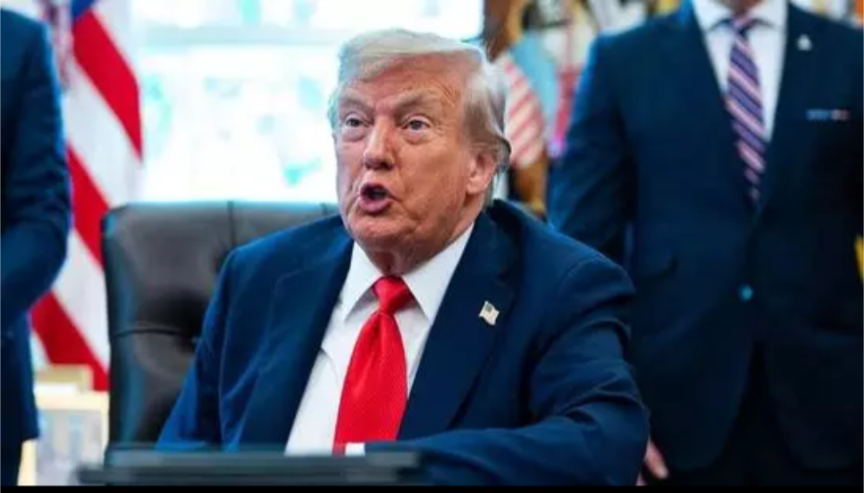
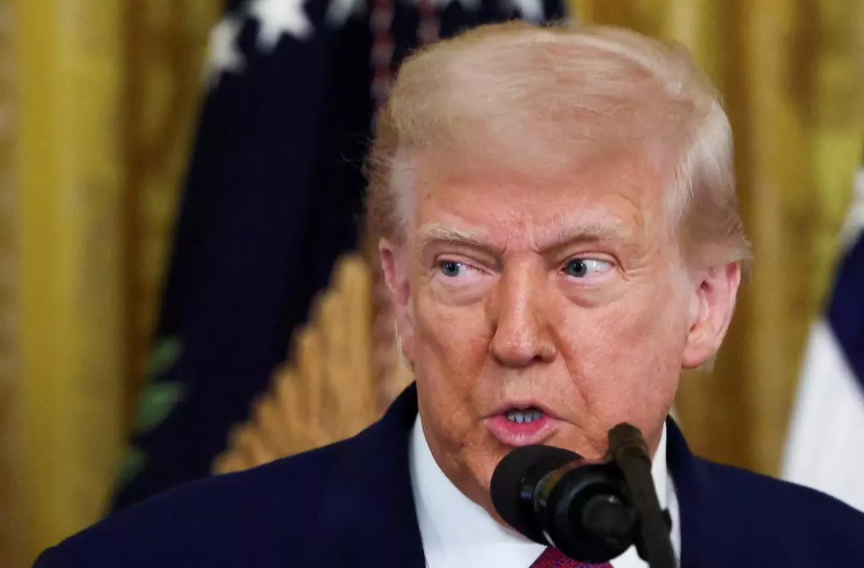
- Trump signaled he’ll appeal to the Supreme Court, calling the ruling partisan and insisting tariffs should remain for national economic resilience. Financial TimesAP NewsThe Washington Post
- The ruling limits the executive’s ability to wield aggressive trade policy under emergency powers, reinforcing that tariff authority belongs to Congress. AP NewsThe Washington PostFinancial Times
- With the Supreme Court likely to weigh in, the outcome could set long-lasting boundaries on executive trade authority. SCOTUSblogBarron’s
5. What Else Can the Administration Do?
- If IEEPA-based tariffs are struck down, the administration may pivot to other statutes such as the Trade Act of 1974 (Section 301) or Section 232 of the Trade Expansion Act (1962). However, these come with strict limits on duration and scope. AP NewsHindustan TimesThe Times of India
Summary Table
| Aspect | Status/Impact |
|---|---|
| Tariffs in Effect | Yes, until Oct 14 stay expires |
| Legal Path Ahead | Appeal to Supreme Court likely |
| Potential Liability | Up to $159B refund risk |
| Market Impact | Retail up, autos steady, volatility expected |
| Executive Options | Section 301 or Section 232 (limited powers) |
| Legislative Implication | Congress reasserts control over trade policy |
Conclusion
While Trump’s tariffs remain deployed for now, the appeals court ruling puts them on a fragile footing. The case is poised to escalate to the Supreme Court, and the eventual outcome could redefine the scope of presidential power in trade. Political and economic uncertainty looms large, with potential shifts in strategy and renewed attention to legal and legislative authority.